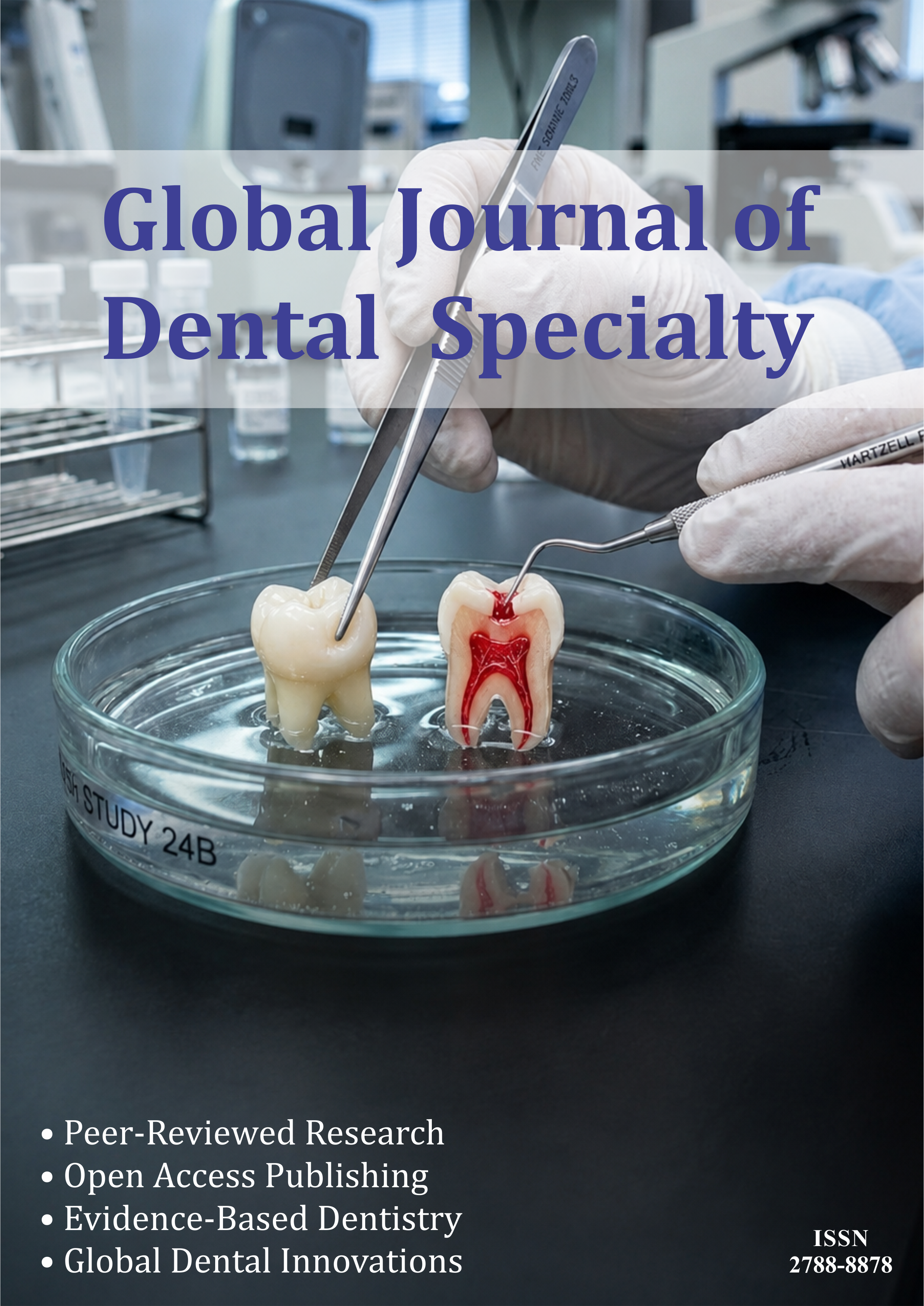
Oral cancer is among the most prevalent malignancies worldwide and remains a major public health concern due to late diagnosis and poor survival rates. Early detection significantly improves treatment outcomes and patient survival. Recent advances in Artificial Intelligence (AI), including Machine Learning (ML), Deep Learning (DL), Computer Vision, and Artificial Neural Networks (ANNs), have demonstrated considerable potential in enhancing oral cancer detection, diagnosis, and prognosis prediction. AI-powered diagnostic systems can analyze medical images, histopathological slides, clinical records, and biomarkers with high accuracy and efficiency. This study explores the role of AI in oral cancer detection, highlighting technological advancements, clinical applications, benefits, challenges, and future opportunities. Through an extensive review of scientific literature, case studies, and technological developments, the paper demonstrates that AI can support clinicians in achieving earlier diagnosis, improved diagnostic accuracy, reduced human error, and better patient outcomes. Despite promising results, challenges such as data quality, algorithm bias, regulatory concerns, and ethical considerations must be addressed to facilitate widespread clinical adoption.
 Creative Commons License
 Download PDF
 Download XML










 +447460013985
 +447460013985
 support@dsjournal.in
 This work is licensed under a Creative Commons Attribution-NonCommercial-NoDerivatives (CC BY-NC-ND) license. Open Access Publication.