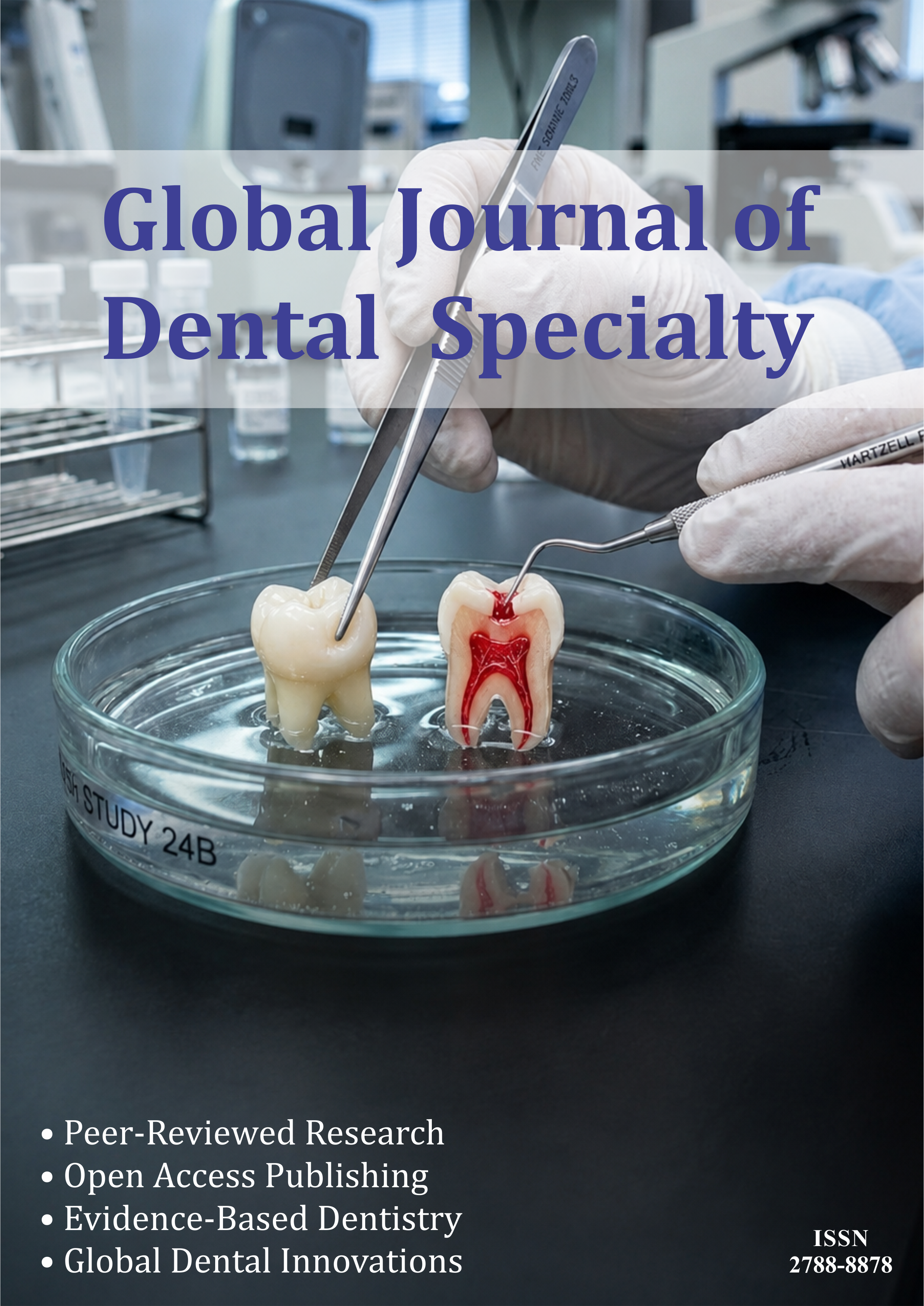
The evolution of restorative dentistry has shifted from passive replacement of lost tooth structure toward biologically active materials capable of interacting with the oral environment. Bioactive dental restorative materials represent a significant advancement in modern dentistry due to their ability to release therapeutic ions, stimulate remineralization, inhibit bacterial growth, and promote tissue regeneration. Unlike conventional restorative materials, bioactive materials actively participate in maintaining tooth integrity and enhancing long-term restoration success. This review examines the classification, mechanisms of action, clinical applications, advantages, limitations, and future prospects of bioactive restorative materials. Materials such as glass ionomer cements, resin-modified glass ionomers, bioactive composites, calcium silicate-based materials, and bioactive ceramics have demonstrated promising outcomes in preventive and restorative dentistry. Emerging nanotechnology and regenerative approaches are expected to further revolutionize restorative treatments by enabling smart and self-healing dental restorations.
 Creative Commons License
 Download PDF
 Download XML









 +447460013985
 +447460013985
 support@dsjournal.in
 This work is licensed under a Creative Commons Attribution-NonCommercial-NoDerivatives (CC BY-NC-ND) license. Open Access Publication.