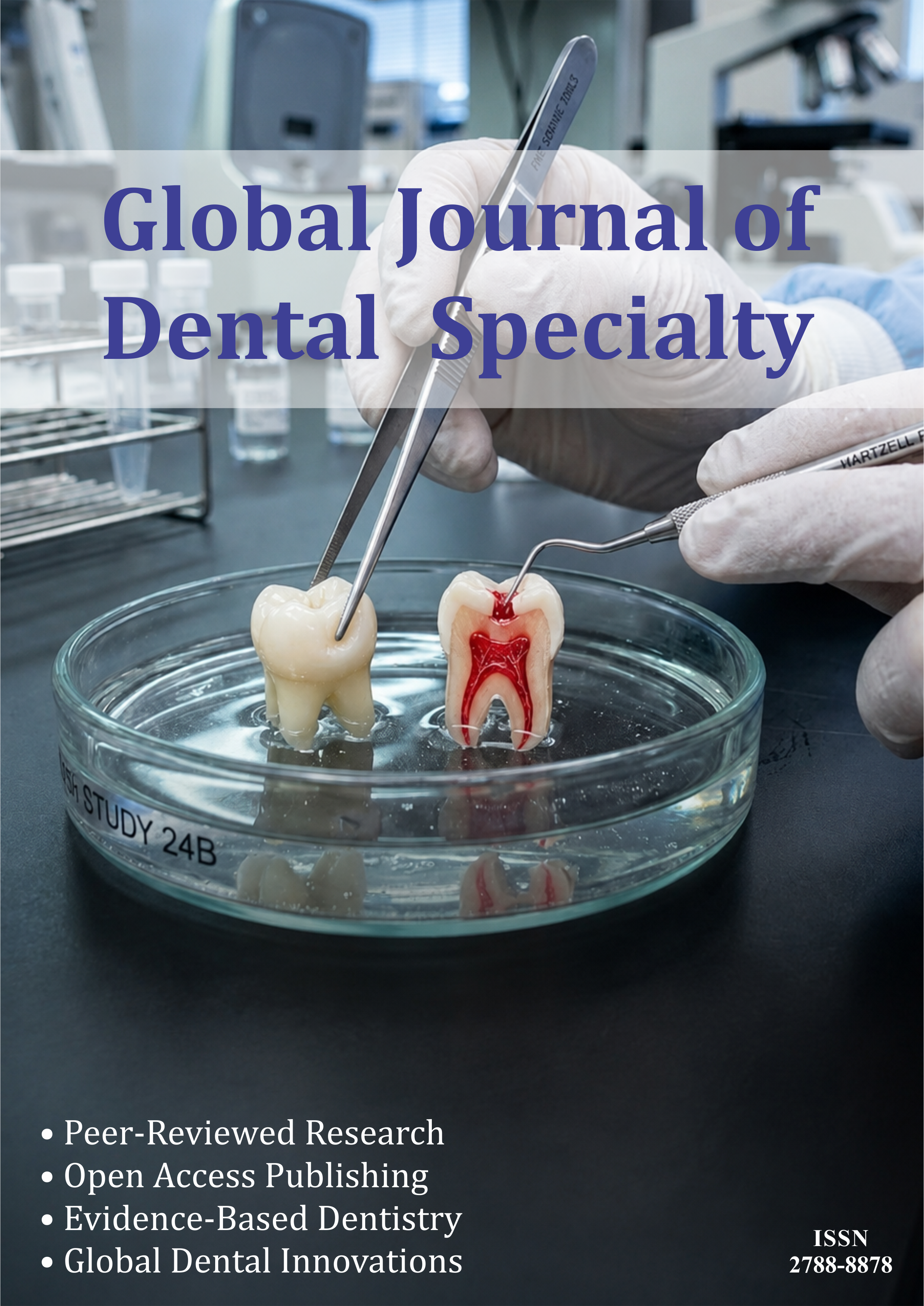
The long-term success of endodontically treated teeth depends not only on effective root canal therapy but also on the quality and durability of post-endodontic restorations. Following endodontic treatment, teeth often exhibit significant structural loss due to caries, trauma, previous restorations, and access cavity preparation, making them susceptible to fracture and reinfection. The selection of appropriate restorative strategies—including direct restorations, indirect restorations, posts, cores, and full-coverage crowns—plays a critical role in preserving tooth integrity and function. This review evaluates the clinical outcomes of post-endodontic restorations by examining survival rates, fracture resistance, marginal adaptation, restorative materials, and factors influencing long-term prognosis. Current evidence indicates that restoration design, ferrule effect, remaining tooth structure, and timely restoration placement significantly influence treatment success. Advances in adhesive dentistry, fiber-reinforced posts, CAD/CAM restorations, and biomimetic restorative approaches continue to improve outcomes for endodontically treated teeth.
 Creative Commons License
 Download PDF
 Download XML













 +447460013985
 +447460013985
 support@dsjournal.in
 This work is licensed under a Creative Commons Attribution-NonCommercial-NoDerivatives (CC BY-NC-ND) license. Open Access Publication.